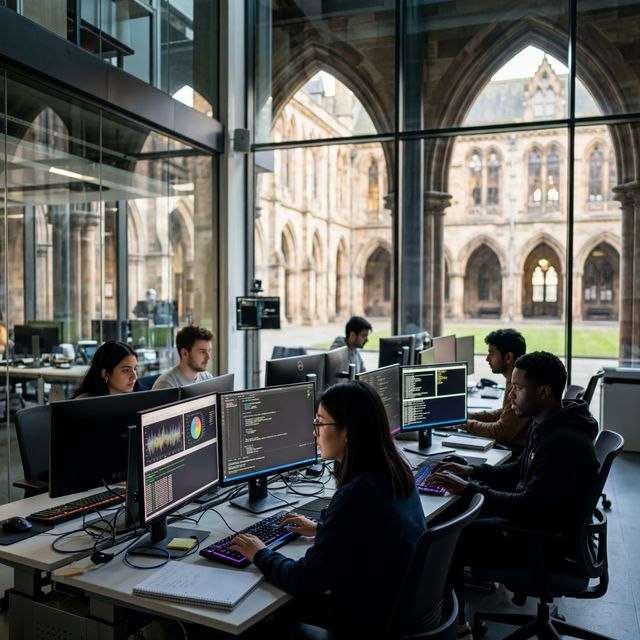
MA Classics/Computing Science
About this course
Classics and computing science is an unusual combination that turns out to be more coherent than it might appear. Classics involves the study of the literature, history, art and material culture of ancient Greece and Rome, with study of Latin and Greek language available at any level. It trains you in the careful reading of complex texts, the analysis of historical evidence, the construction of well-grounded arguments and the ability to work with material that requires interpretation across significant cultural distance. Computing science, by contrast, is the study of how computers work, how they are programmed and how they can be used to solve problems, and it trains you in logical precision, formal methods, algorithmic thinking and systematic design. At the University of Glasgow, this part-time programme includes a year abroad, giving you the opportunity to pursue one or both disciplines in a different academic environment. The combination is genuinely demanding and genuinely distinctive: you will develop expertise in both the humanities tradition of classical scholarship and the technical rigour of computer science, acquiring a range of capabilities that very few graduates can offer. Digital humanities, which uses computational methods to analyse literary and historical texts, is one area where these disciplines converge directly, but the skills are valuable in many other contexts. Graduates of this combination go on to careers in computing and technology, where the analytical and communication skills from Classics add real value, as well as in heritage and digital humanities, education, publishing, archiving and research. The computing skills open paths in software development, data analysis and systems roles, while the classics background enriches careers in cultural institutions, law and public service. Further study in classics, computing science, digital humanities or a combination is available for those who want to pursue research or specialist professional paths.
Syllabus & Modules
Typical curriculumStudent Satisfaction
Missing Satisfaction Data
The university has not shared complete student satisfaction records for this specific degree metrics block. You may want to formally explore these topics with the university staff at an open day before committing.
What comes next? 🎓
Choosing the right university starts with choosing the right school. Explore transparent, data-driven school profiles powered by official DfE statistics.
Explore Schools on WhatSchool.ai →