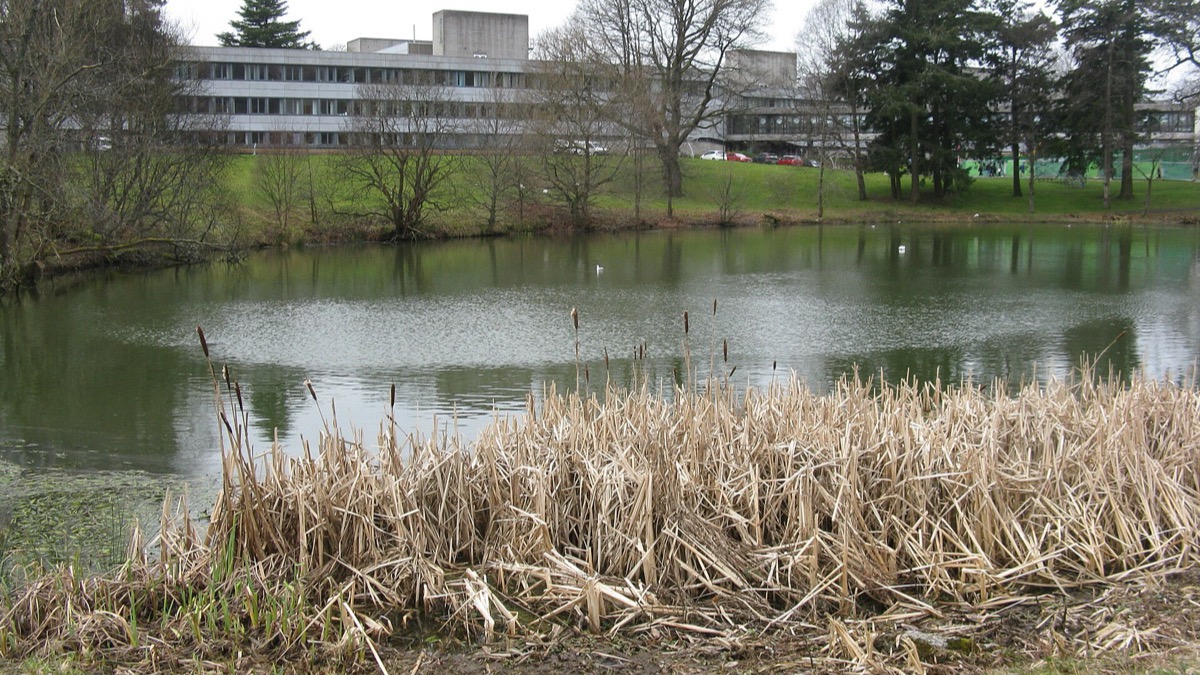
BSc Computing Science
About this course
Computing science is a discipline of remarkable breadth and depth, concerned with the principles, methods, and tools through which information is processed, represented, and transformed. It encompasses the theory of computation, the design and analysis of algorithms, the engineering of software systems, the architecture of hardware, artificial intelligence, human-computer interaction, information retrieval, and the infrastructure of networks and distributed systems. As computing has become central to virtually every domain of modern life, the intellectual and practical capabilities that computing science develops are among the most widely valued in the contemporary economy. At the University of Stirling, this four-year full-time programme provides a solid grounding across the breadth of computing science while also allowing you to develop depth in the areas that interest you most. A year abroad is incorporated into the degree, giving you the opportunity to study at a partner institution overseas and to encounter computing science in a different academic and cultural context. You will study programming, algorithms, data structures, software engineering, databases, networks, and the theoretical foundations of computation, developing both practical skills and conceptual understanding. Stirling's computing programme benefits from the university's research strengths and its connections to the Scottish technology sector. You will develop the ability to analyse and solve complex problems, to design and build software systems, and to reason about the properties and limitations of algorithms and computational processes. Graduates go on to work as software engineers, data scientists, systems analysts, developers, AI engineers, and technical project managers across every sector of the economy. Computing science graduates are in demand across industries from financial services and healthcare to media and manufacturing. Many pursue postgraduate study in computing, AI, data science, or related fields. The analytical and problem-solving capabilities the degree develops are valued across the full breadth of the graduate labour market.
Syllabus & Modules
Typical curriculumStudent Satisfaction
National Student Survey - 15 respondents (62% response rate)
Similarly Ranked Alternatives


What comes next? 🎓
Choosing the right university starts with choosing the right school. Explore transparent, data-driven school profiles powered by official DfE statistics.
Explore Schools on WhatSchool.ai →