High Drop-out Rate Alert
85% of students drop out or transfer from this specific course. Consider asking why on an open day.
BSc Creative Computing
About this course
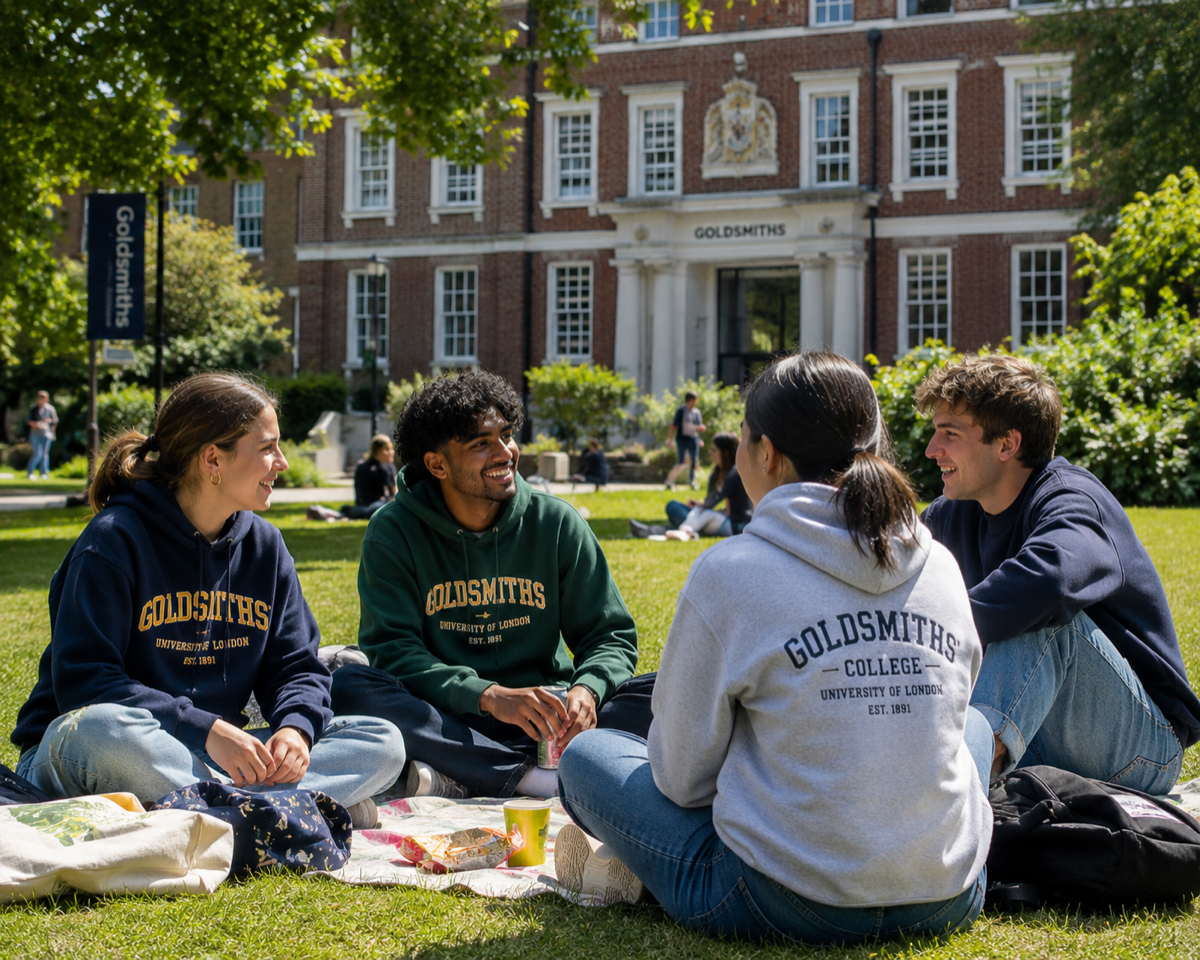
Creative computing is a discipline that brings together the technical skills of computer science and software development with the creative sensibilities and critical perspectives of the arts and design. It is concerned not just with how computing works but with what it can do in creative, cultural, and social contexts: how code can be used to make art, music, interactive experiences, and generative systems, and how computational thinking can be applied to design problems in ways that are both technically sophisticated and culturally meaningful. At Goldsmiths, which has pioneered this field in the UK, creative computing draws on a distinctive institutional culture of experimentation at the intersection of technology, art, and critical inquiry. This part-time programme at Goldsmiths includes a sandwich year with a work placement, giving you professional experience in a creative or technical environment alongside your studies. You will develop programming skills alongside competencies in interactive design, digital fabrication, sound and image processing, data visualisation, and physical computing, applying these to creative projects that reflect your own interests and artistic direction. Critical and theoretical content situates creative computing within broader debates about technology, culture, and society, developing your ability to reflect on what you are making and why. The part-time structure makes the programme accessible to people who are working or who have other commitments, and it allows you to connect your studies directly to your professional and creative life outside university. Graduates from creative computing programmes at Goldsmiths go on to careers across the technology, creative, and cultural sectors. Roles in interactive media, game design and development, digital art and installation, UX design, software development, and data visualisation draw directly on the combination of creative and technical skills the degree develops. Many graduates work in independent creative practice, arts organisations, and cultural institutions, where computational skills are increasingly central. Technology companies and design studios working on innovative products and experiences also value the distinctive perspective that creative computing education provides. Postgraduate study in creative computing, interaction design, digital art, or computer science is available for those who want to develop their expertise further.
Syllabus & Modules
Typical curriculumStudent Satisfaction
Missing Satisfaction Data
The university has not shared complete student satisfaction records for this specific degree metrics block. You may want to formally explore these topics with the university staff at an open day before committing.
What comes next? 🎓
Choosing the right university starts with choosing the right school. Explore transparent, data-driven school profiles powered by official DfE statistics.
Explore Schools on WhatSchool.ai →