
High Drop-out Rate Alert
24% of students drop out or transfer from this specific course. Consider asking why on an open day.
BSc Creative Computing
About this course
Creative computing sits at the intersection of technology and artistic practice, exploring the ways in which computational tools and methods can be used to produce, generate, and transform creative work. It is a discipline concerned not just with how computers work but with what they can do when placed in the hands of people with artistic and imaginative intentions, from generative art and interactive experiences to computational design, music production, and the creative possibilities of machine learning. At the University of Westminster this three-year, full-time programme places you at the cutting edge of technology while developing your creative intelligence alongside your technical skills. You will explore computing concepts and programming methods in the context of creative applications, learning to build tools and systems that serve artistic, cultural, and commercial purposes. Westminster's London location puts you close to a dense concentration of creative technology companies, digital agencies, arts organisations, and cultural institutions that give the subject real-world relevance throughout your studies. A sandwich year, a year abroad, and work placement opportunities are all built into the programme, giving you professional experience and an international perspective alongside your academic and creative formation. Graduates of creative computing go on to careers across the creative technology sector, in roles including creative technologist, interactive designer, digital artist, games developer, UX designer, experience designer, and software developer for creative applications. Many work in digital agencies, cultural institutions, games studios, creative production companies, and the technology arms of arts organisations. Others move into broadcast media, education technology, music technology, and the growing field of AI and creative practice. The combination of technical competence and creative intelligence is increasingly valued across the wider technology industry as companies recognise that the products people actually want to use require both. Further study at Masters level in creative computing, digital media, or a specialist technology area is available for those who want to develop their expertise further.
Syllabus & Modules
Typical curriculumStudent Satisfaction
National Student Survey - 300 respondents (76% response rate)
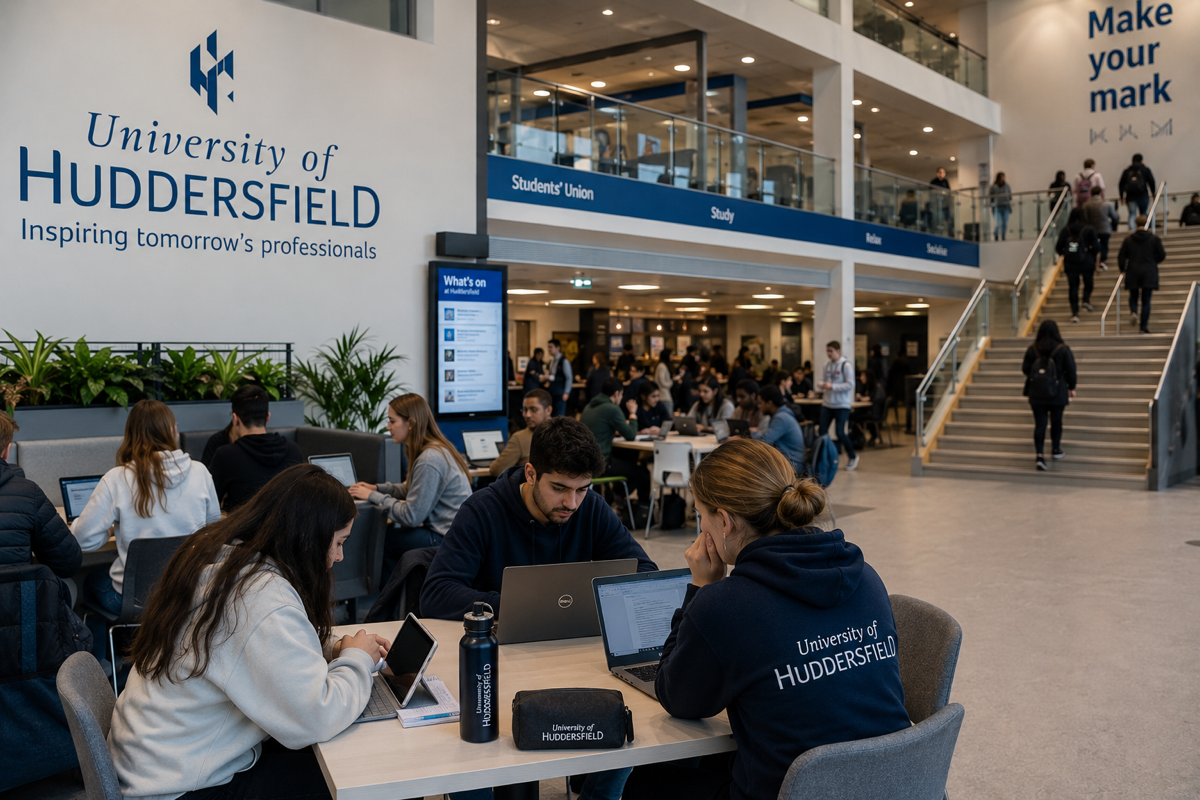
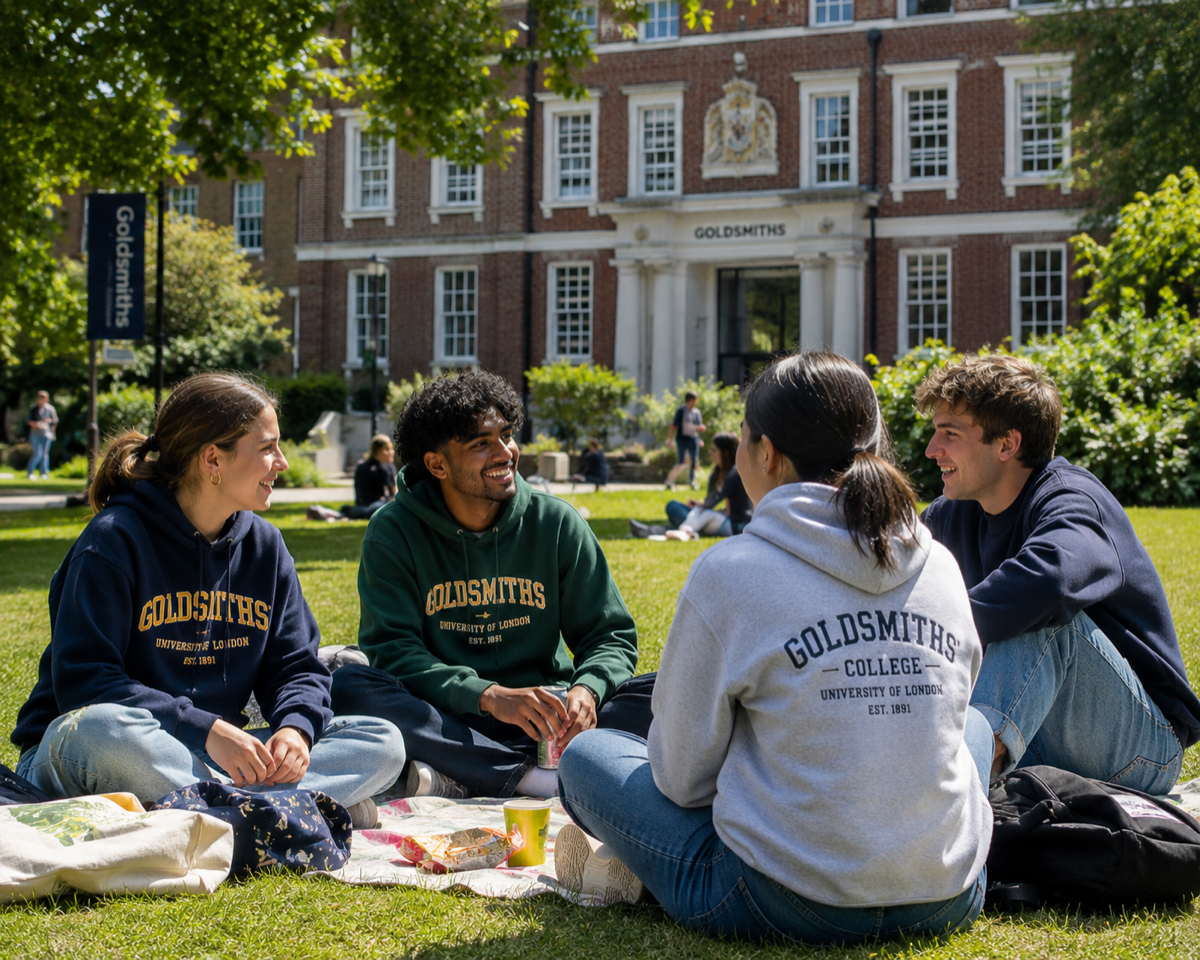
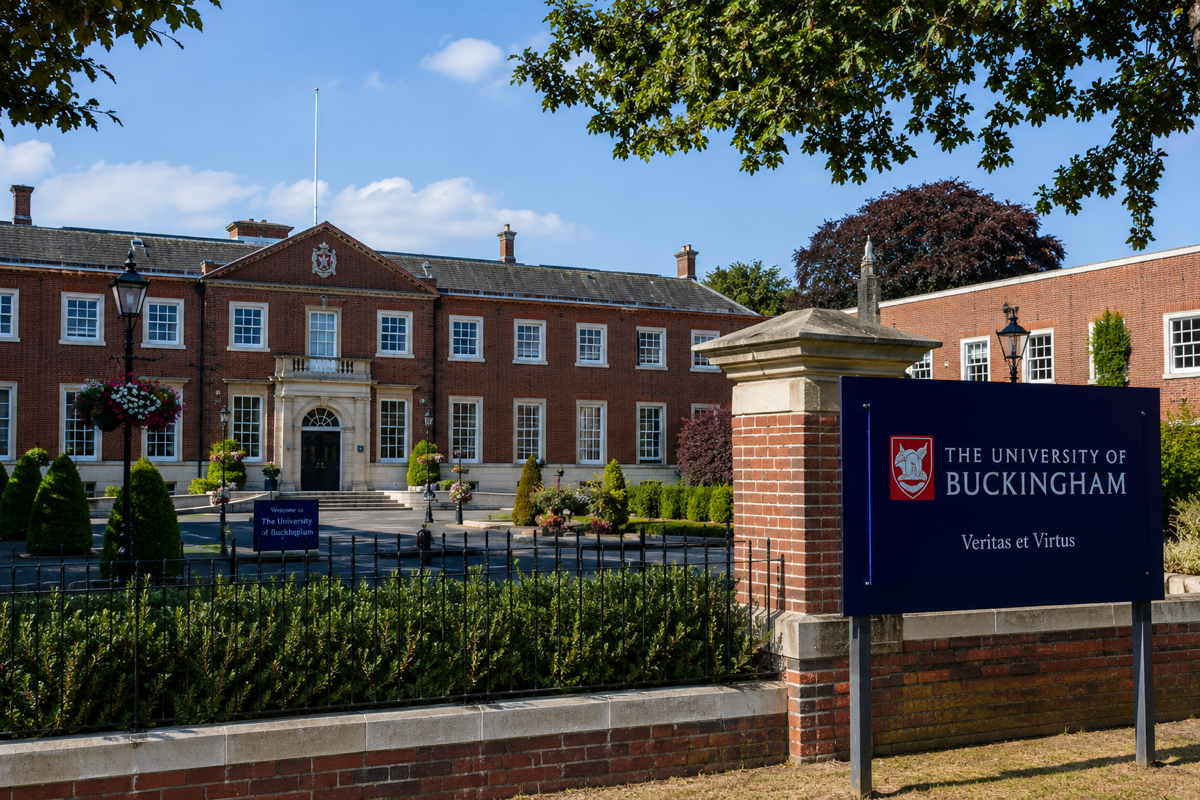
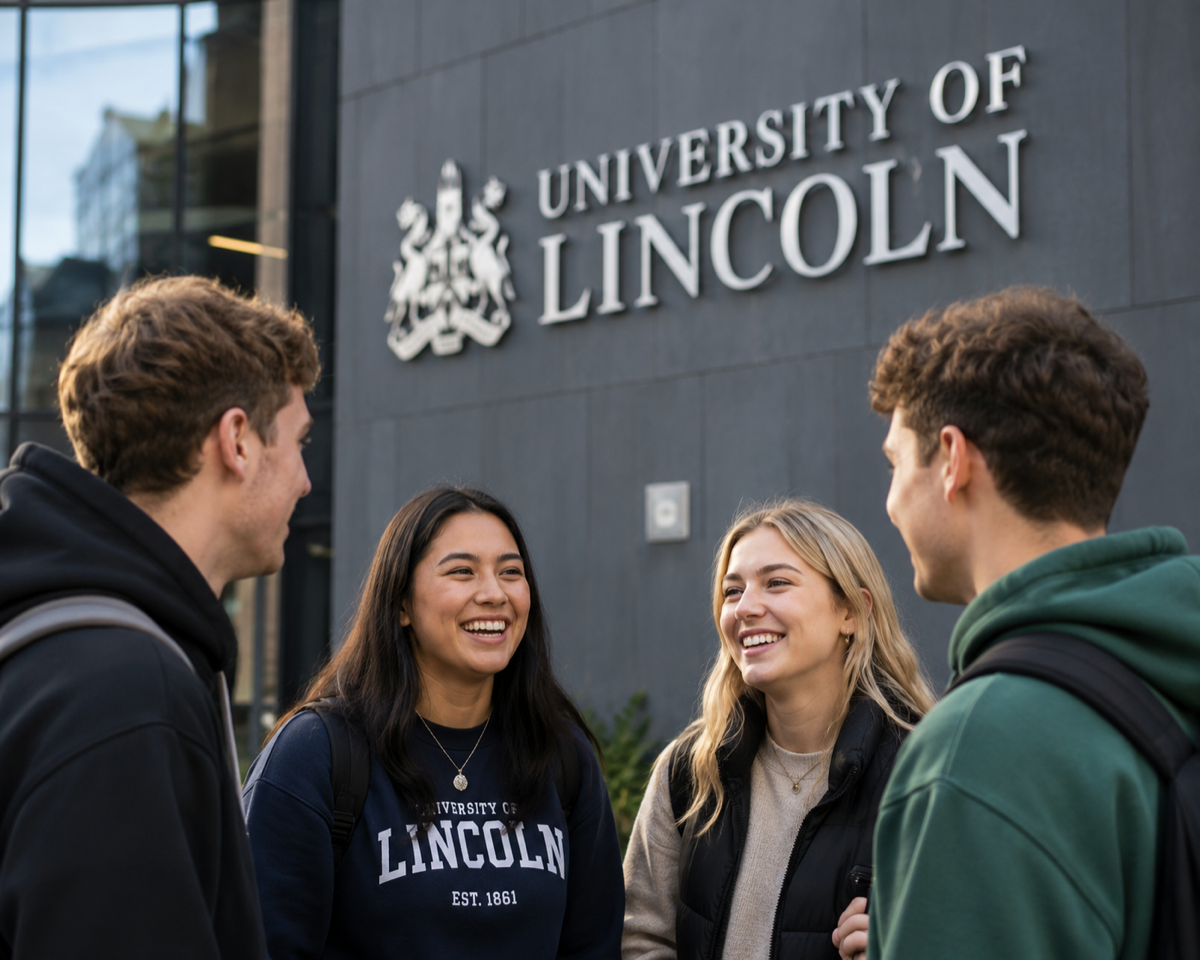
Similarly Ranked Alternatives
What comes next? 🎓
Choosing the right university starts with choosing the right school. Explore transparent, data-driven school profiles powered by official DfE statistics.
Explore Schools on WhatSchool.ai →