BA Fine Art
About this course
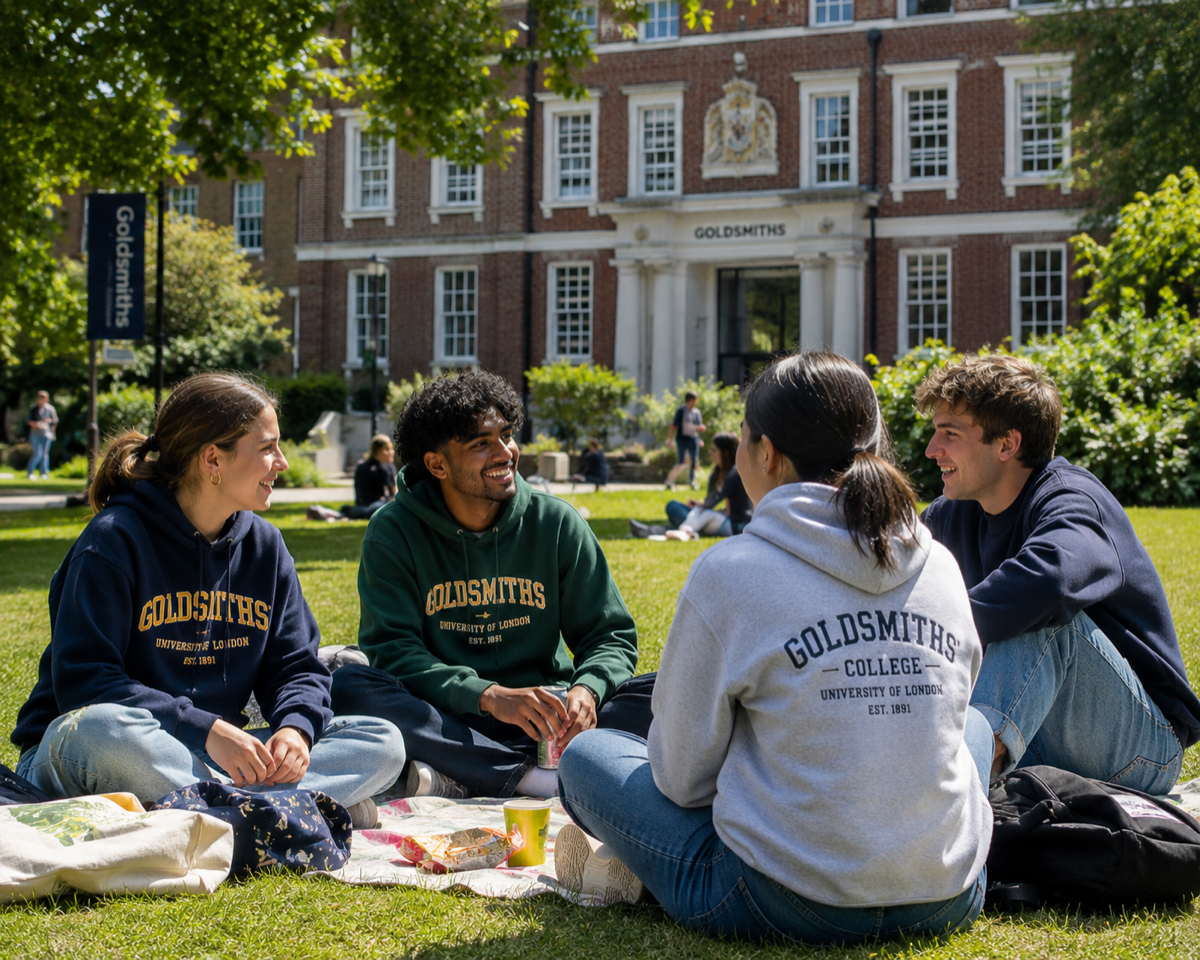
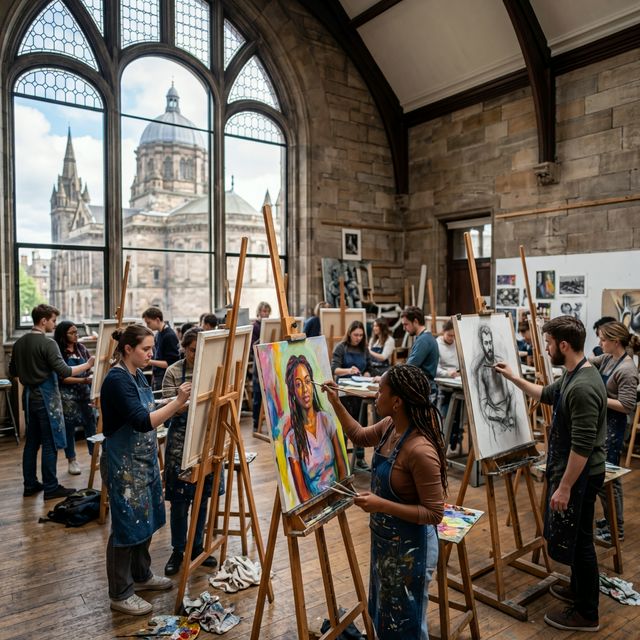
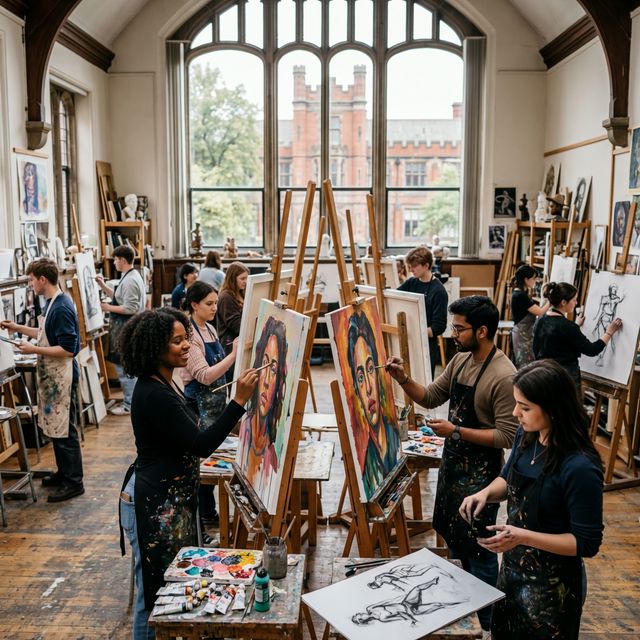
Fine art at Goldsmiths is a degree with a particular reputation. Goldsmiths is associated with some of the most significant developments in contemporary British art, and its fine art programme reflects its longstanding commitment to critical thinking, conceptual ambition, and practice that engages with the world beyond the studio. Studying fine art here is not primarily about learning technical skills in isolation: it is about developing an artistic practice that is intellectually serious, contextually aware, and capable of generating meaning in relation to the society and history in which it is situated. This three-year full-time programme in London develops your practice across a range of media and approaches, working in the studio alongside engagement with art history, theory, and critical writing. You will explore your own developing artistic concerns in dialogue with tutors, peers, and the rich critical and artistic culture of London. With a typical tariff of 168 points, the programme is highly selective and expects a portfolio demonstrating genuine artistic engagement and a willingness to think seriously about what art is for. Goldsmiths selects students who are already asking interesting questions, not just those who can execute particular techniques. The critical and theoretical engagement that runs through the programme gives you a framework for understanding contemporary art and for positioning your own practice within it. London's extraordinary concentration of galleries, museums, artist-run spaces, and cultural institutions provides an incomparable environment for this kind of formation, and Goldsmiths' networks within the art world are extensive. Graduates from fine art programmes at Goldsmiths have gone on to build significant careers as artists, curators, critics, and arts educators. Many continue to postgraduate study in fine art or related disciplines, and others move into curation, gallery management, arts administration, art education, and creative direction. The degree is also valued in cultural organisations, publishing, and a range of creative industries where the capacity for independent creative thinking is genuinely useful.
Syllabus & Modules
Typical curriculumStudent Satisfaction
National Student Survey - 85 respondents (87% response rate)
Similarly Ranked Alternatives
What comes next? 🎓
Choosing the right university starts with choosing the right school. Explore transparent, data-driven school profiles powered by official DfE statistics.
Explore Schools on WhatSchool.ai →