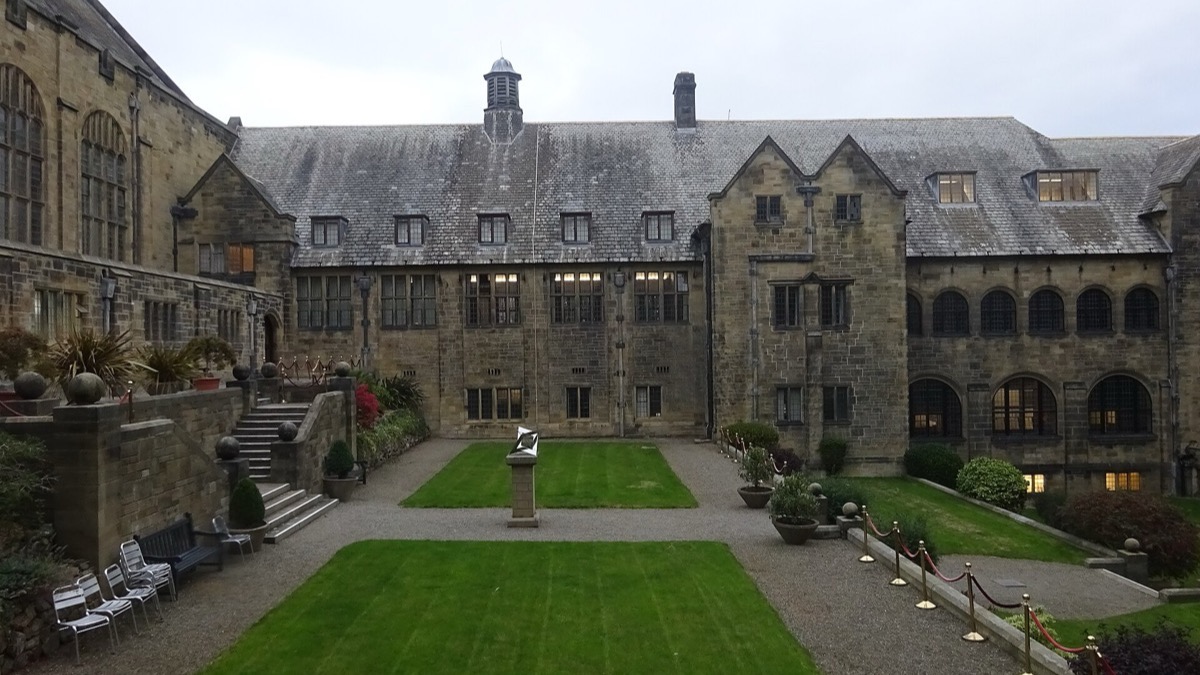
MEng Control And Instrumentation Engineering
About this course
Control and instrumentation engineering is a specialised field concerned with the design and operation of systems that measure, monitor, and control physical processes. From the automation of industrial plant to the precision guidance of aircraft and spacecraft, from the regulation of power grids to the measurement of environmental conditions, control and instrumentation engineers design the feedback systems and sensing technologies that keep complex processes running safely and accurately. It is a discipline where electronics, mathematics, and systems thinking come together to solve problems with direct real-world consequences. At Bangor University this four-year full-time programme includes a foundation year, giving students who need additional preparation in mathematics and physical sciences the grounding they need before progressing to the main engineering degree. You will study control theory, electronic instrumentation, signal processing, systems design, and the mathematical methods that underpin them, alongside the broader engineering principles of the field. A year abroad is incorporated into the programme, giving you the chance to study at a partner institution in another country and to develop an international perspective on how control and instrumentation engineering is practised in different industrial and regulatory contexts. Graduates in control and instrumentation engineering are in demand across industries including oil and gas, nuclear power, pharmaceuticals, chemicals, aerospace, automotive, and advanced manufacturing, where the safe and efficient operation of complex processes depends on effective measurement and control. Roles include control systems engineer, instrumentation engineer, automation engineer, and process control specialist, with strong progression opportunities in both technical and project management careers. Many graduates also pursue the route to chartered engineer status through professional bodies in the electrical and electronic engineering field. Postgraduate study in control systems or related engineering disciplines is another path for those wishing to specialise further.
Syllabus & Modules
Typical curriculumStudent Satisfaction
National Student Survey - 20 respondents (76% response rate)
Similarly Ranked Alternatives



What comes next? 🎓
Choosing the right university starts with choosing the right school. Explore transparent, data-driven school profiles powered by official DfE statistics.
Explore Schools on WhatSchool.ai →