BA Culture, Technology & Global Challenges
About this course
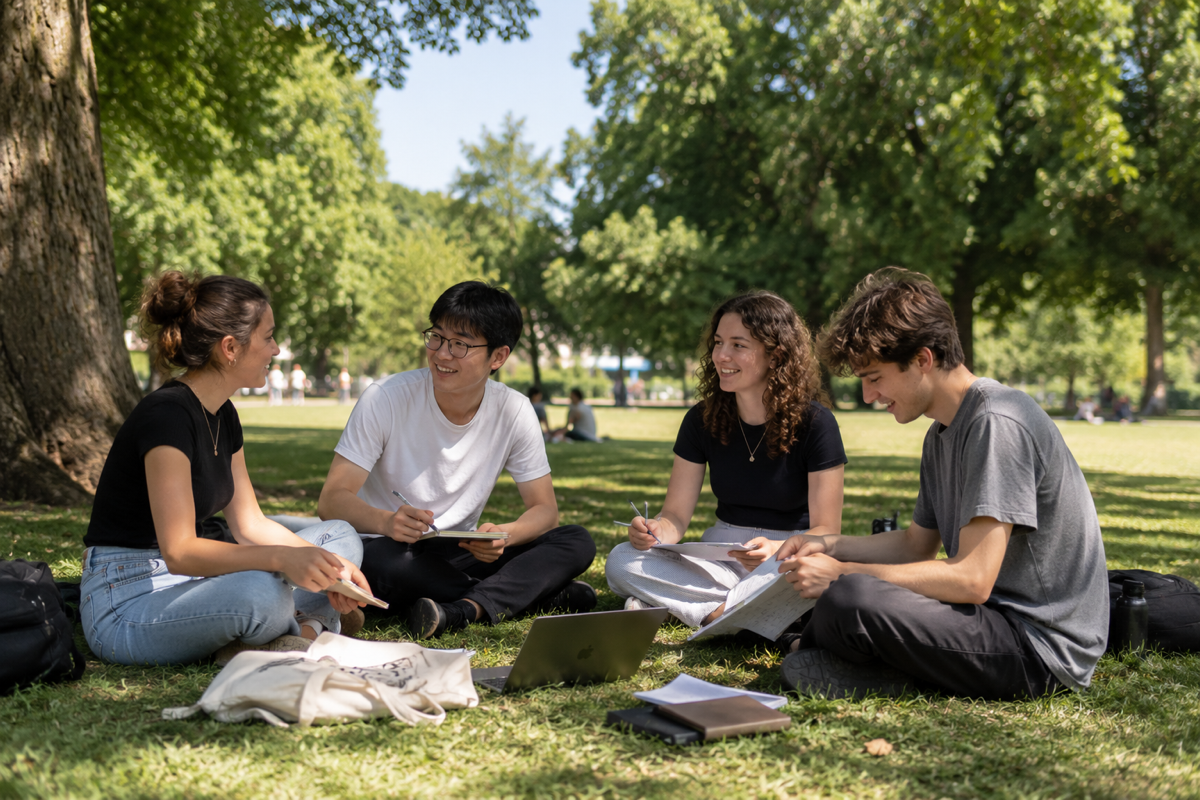
Culture, technology and global challenges is an interdisciplinary programme designed for students who want to engage with the defining questions of our era from multiple intellectual perspectives. Culture, in this context, encompasses the values, practices, arts, institutions and ways of making meaning that characterise different societies. Technology refers not just to digital tools but to the broader systems through which human capability is extended and organised, from infrastructure and communication networks to artificial intelligence and biotechnology. Global challenges, including climate change, inequality, migration, public health and political instability, form the substantive focus through which culture and technology are examined. At Northeastern University London, this three-year full-time programme takes an explicitly interdisciplinary approach, drawing on the humanities, social sciences and technical fields to equip you with frameworks for analysis that cut across disciplinary boundaries. You will study how technological systems shape and are shaped by cultural contexts, how global challenges require responses that are both technically informed and socially and politically intelligent, and how different societies and communities approach the problems of a connected and rapidly changing world. The programme develops critical thinking, research skills and the capacity to communicate complex ideas clearly. Graduates are well prepared for careers in international organisations, policy bodies, the tech sector, journalism, research institutes, NGOs, cultural organisations and consultancy. The combination of cultural analysis, technological literacy and awareness of global affairs is increasingly valued in any organisation that must navigate complex, interconnected challenges. Postgraduate study in international relations, global policy, development studies, science and technology studies or cultural studies is a natural progression for those who wish to develop more specialist expertise or pursue academic careers.
Syllabus & Modules
Typical curriculumStudent Satisfaction
National Student Survey - 15 respondents (82% response rate)
Similarly Ranked Alternatives

What comes next? 🎓
Choosing the right university starts with choosing the right school. Explore transparent, data-driven school profiles powered by official DfE statistics.
Explore Schools on WhatSchool.ai →