High Drop-out Rate Alert
50% of students drop out or transfer from this specific course. Consider asking why on an open day.
BA Journalism
About this course
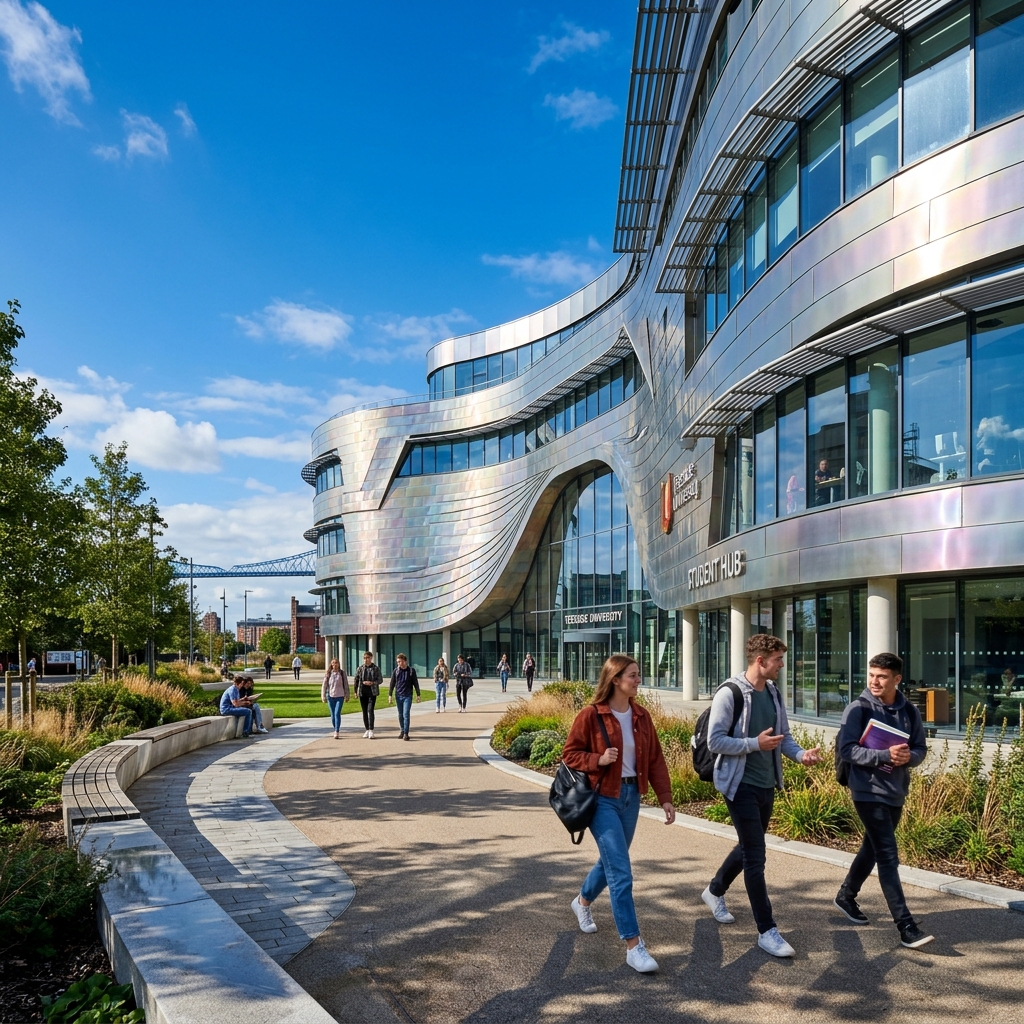
Journalism is one of the most important and most pressured professions in contemporary society. It is responsible for holding power to account, informing citizens about events that affect their lives, and providing the shared informational infrastructure that democratic life depends on. The digital revolution has transformed how journalism is practised and consumed, creating new platforms and new formats while also generating new pressures around speed, accuracy, and commercial viability. Studying journalism at degree level means developing both the craft skills that reporting demands and the critical understanding of the media landscape in which those skills are exercised. At Teesside you will develop as a journalist across multiple formats and platforms, learning to report, write, broadcast, and produce digital content. The programme develops skills in news gathering, interviewing, storytelling, writing for different audiences, audio and video production, and the legal and ethical frameworks that govern journalistic practice. Team-working, communication, project management, and collaboration are developed through practical projects that reflect the realities of working in a newsroom and producing content across different media. The three-year full-time programme includes a sandwich placement year with a work placement, giving you direct professional experience in a journalism or media context and the opportunity to build your portfolio and professional network before you graduate. Graduates go on to careers in print, broadcast, and digital journalism, in public relations and communications, content creation, corporate and internal communications, and media management. The skills developed on this programme, including clear writing, accurate reporting, storytelling, and deadline management, are also valued across a wide range of professional contexts well beyond the newsroom. Many graduates continue to postgraduate journalism qualifications or specialist training in areas such as data journalism or investigative reporting.
Syllabus & Modules
Typical curriculumStudent Satisfaction
National Student Survey - 15 respondents (73% response rate)
Similarly Ranked Alternatives



What comes next? 🎓
Choosing the right university starts with choosing the right school. Explore transparent, data-driven school profiles powered by official DfE statistics.
Explore Schools on WhatSchool.ai →