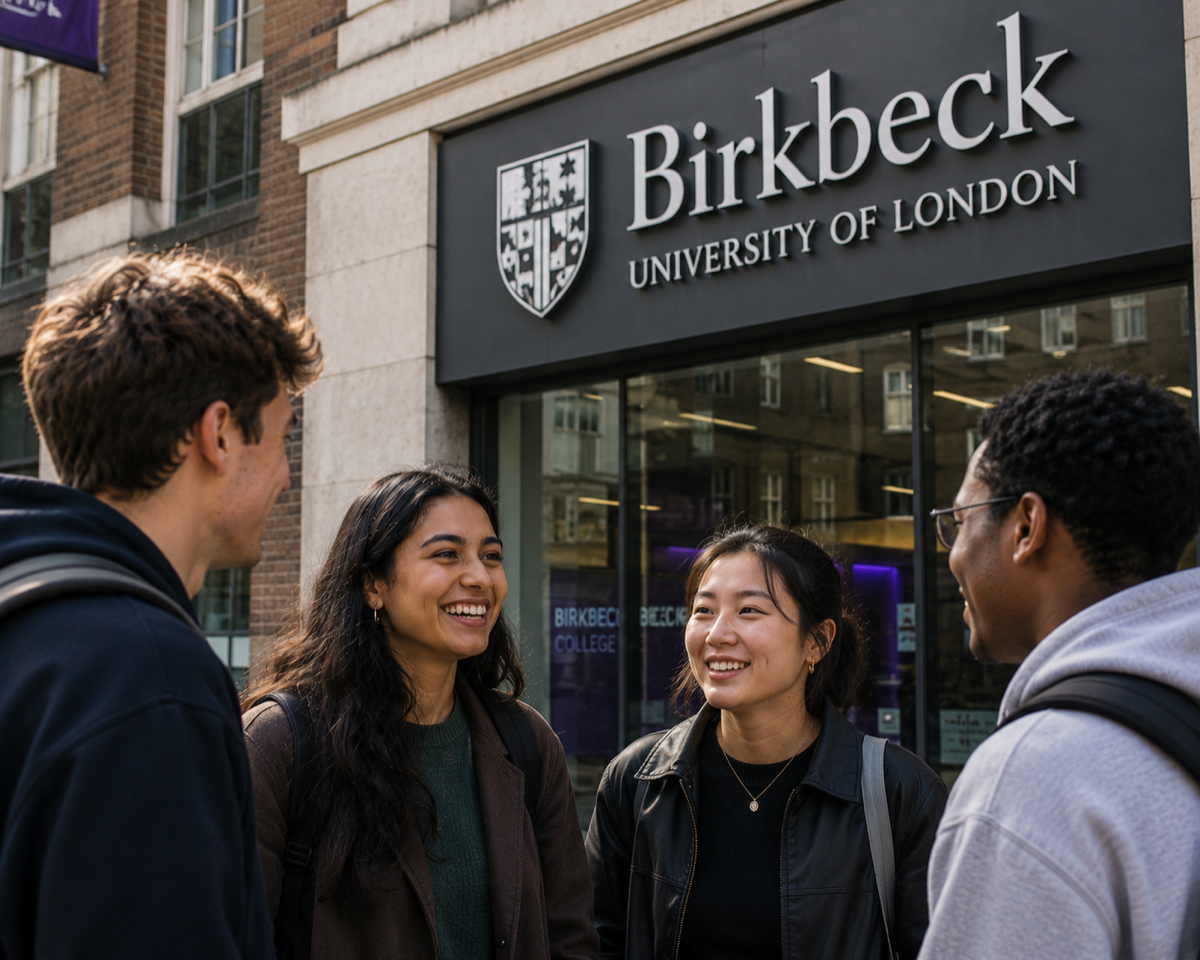
BA Modern Languages
About this course
Modern languages study is one of the most versatile intellectual undertakings available at university level. Learning a language to a high standard is itself a significant cognitive and cultural achievement, but studying languages at degree level goes far beyond fluency. You engage with the literature, history, cinema, politics, philosophy, and art of the countries where your chosen languages are spoken, building a layered understanding of cultures that many people encounter only superficially. The discipline trains you to read carefully, think comparatively, and communicate precisely, skills that transfer into virtually every professional context. At Birkbeck this three-year full-time BA allows you to specialise in one or two modern languages, chosen from French, German, Italian, Spanish, Japanese, Korean, and Mandarin Chinese. This range reflects the genuinely global reach of the programme, covering major European languages alongside languages of East Asia whose importance in international affairs, business, and culture is growing rapidly. Alongside practical language development, you will engage with the literature, film, intellectual traditions, and visual culture associated with your chosen languages, developing the kind of cultural depth that distinguishes a linguist from someone who simply speaks a foreign language. Birkbeck's distinctive identity as a provider for students who combine study with work means the programme is built around engaged, rigorous learning that takes your experience seriously. The teaching environment encourages independent thinking and draws on London's exceptional cultural resources across all the language traditions the programme covers. Graduates of modern languages degrees are sought after in international business, diplomacy, the civil service, translation and interpreting, journalism, publishing, education, law, and the cultural sector. The combination of analytical rigour, cultural intelligence, and linguistic precision is distinctive and highly transferable. Many graduates also go on to postgraduate study in languages, translation, comparative literature, or area studies.
Syllabus & Modules
Typical curriculumStudent Satisfaction
National Student Survey - 15 respondents (76% response rate)
Similarly Ranked Alternatives



What comes next? 🎓
Choosing the right university starts with choosing the right school. Explore transparent, data-driven school profiles powered by official DfE statistics.
Explore Schools on WhatSchool.ai →