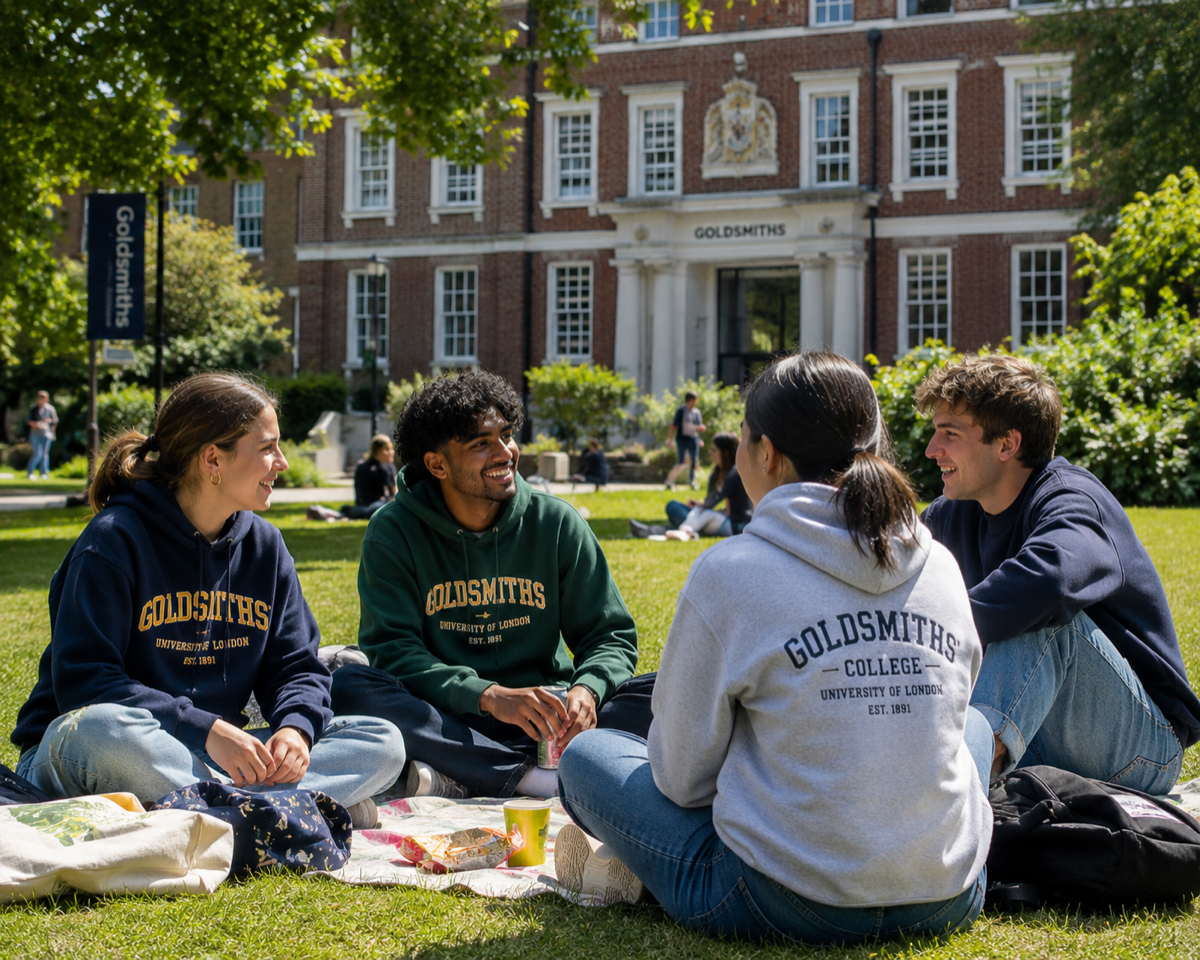
BMus Electronic Music, Computing and Technology
About this course
Electronic music, computing, and technology sits at the intersection of creative music practice and the computational tools that have transformed how music is made, processed, and experienced. It is a discipline concerned with sound synthesis, digital audio production, algorithmic composition, live electronic performance, and the programming skills needed to build the tools and systems that underpin contemporary electronic music. This is genuinely interdisciplinary work, requiring both musical creativity and technical rigour. At Goldsmiths, University of London, which has a long and distinguished history in both electronic music and computing, this three-year full-time programme develops you as a practitioner who can work across code, sound, and creative ideas. You will study digital signal processing, programming for sound and music, sound design, live performance with electronics, and the history and theory of electronic music. Computing content gives you the ability to build your own tools, instruments, and systems rather than simply using existing ones, which is central to distinctive and innovative practice in the field. Creative projects run throughout the programme, and your portfolio of work develops alongside your technical and analytical skills. The programme includes a sandwich year with a work placement, giving you professional experience in a music technology, audio production, or creative computing environment. Graduates go on to careers in music production, sound design for film, games, and media, audio software development, live electronic performance, music technology education, and creative technology roles across the arts and media industries. The combination of musical creativity, programming competence, and practical portfolio that Goldsmiths develops is distinctive and valued in a creative economy where technical and artistic skills are increasingly expected to coexist.
Syllabus & Modules
Typical curriculumStudent Satisfaction
National Student Survey - 15 respondents (61% response rate)
Similarly Ranked Alternatives


What comes next? 🎓
Choosing the right university starts with choosing the right school. Explore transparent, data-driven school profiles powered by official DfE statistics.
Explore Schools on WhatSchool.ai →