High Drop-out Rate Alert
35% of students drop out or transfer from this specific course. Consider asking why on an open day.
BSc Economics
About this course
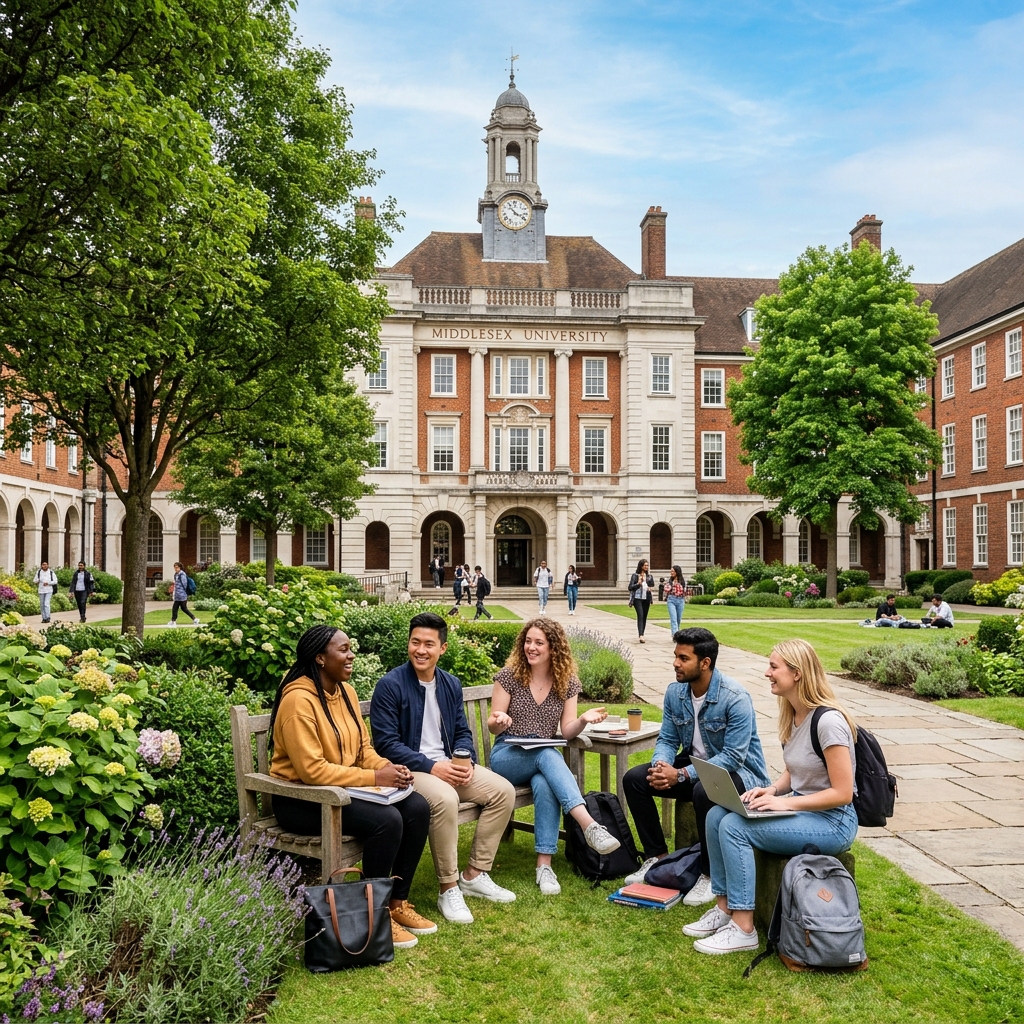
Economics is the discipline that examines how resources are allocated, how markets work, how governments intervene in economic life, and what produces the patterns of growth, inequality, employment, and trade that characterise modern economies. It combines theoretical reasoning, mathematical modelling, and empirical investigation, and it applies to questions ranging from the pricing decisions of individual firms to the macroeconomic management of entire nations. A practical, business-oriented economics education focuses particularly on the applications of economic thinking to real-world decisions in government, finance, and business. At Middlesex University, this three-year, full-time degree offers exactly that orientation, equipping you with the skills and experience to pursue careers in government, finance, business, and beyond. The programme includes a foundation year for students who need to build their academic and quantitative foundations before the main degree, making it accessible to a wider range of applicants. Over the full programme you will study micro and macroeconomic theory, quantitative methods, and the application of economic analysis to policy questions, business strategy, and financial decisions. The practical focus means you develop skills that are directly useful in employment alongside the theoretical grounding that distinguishes an economics education. Graduates from economics degrees work in financial services, banking, economic consultancy, the civil service, business analysis, market research, and international organisations. The quantitative and analytical skills you develop are valued across virtually any sector where evidence-based reasoning matters. Many graduates also pursue postgraduate study in economics, finance, public policy, or related fields, deepening their expertise for specialist or research careers.
Syllabus & Modules
Typical curriculumStudent Satisfaction
National Student Survey - 15 respondents (88% response rate)
Similarly Ranked Alternatives
What comes next? 🎓
Choosing the right university starts with choosing the right school. Explore transparent, data-driven school profiles powered by official DfE statistics.
Explore Schools on WhatSchool.ai →