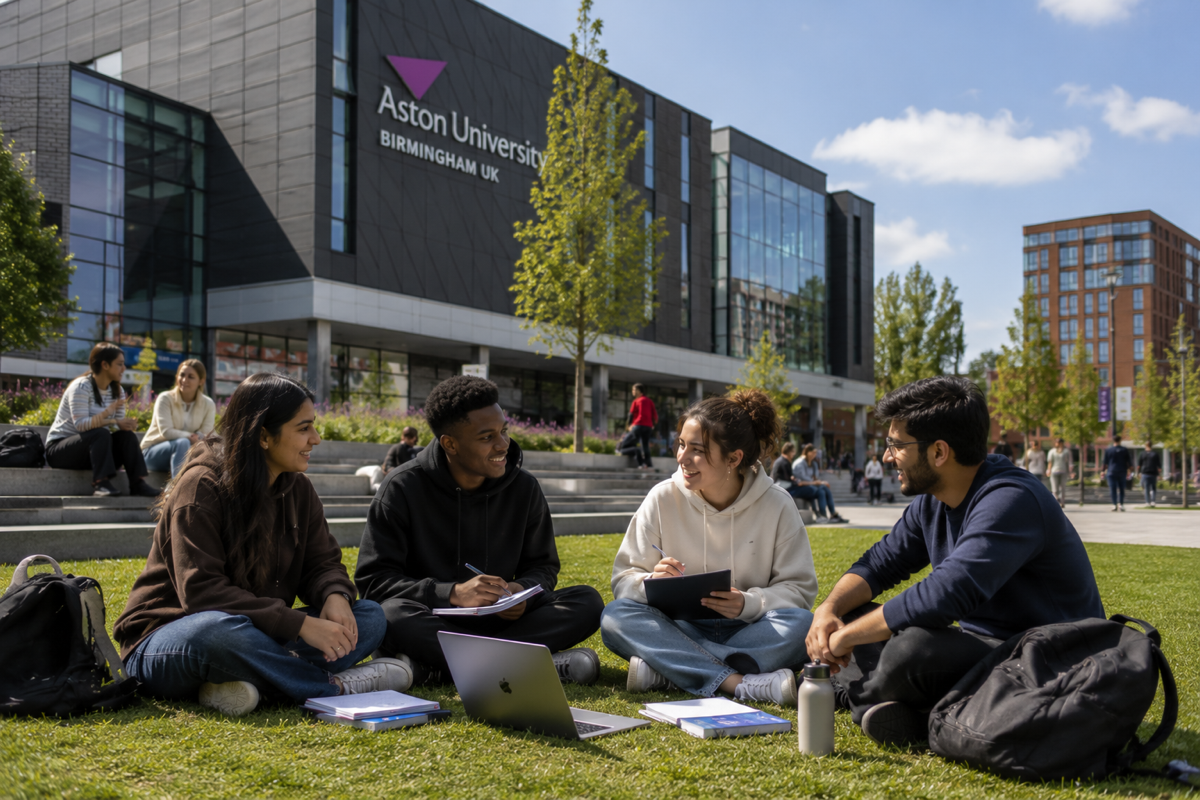
BSc Artificial Intelligence and Robotics
About this course
Artificial intelligence and robotics together represent the frontier of what computers can do in the physical and cognitive world. Artificial intelligence is concerned with building systems that can reason, learn, perceive, and act in ways that were previously only possible for human beings, using techniques ranging from machine learning and neural networks to knowledge representation, planning, and natural language processing. Robotics applies these capabilities to physical systems, designing machines that can perceive their environment through sensors and act upon it through actuators, whether assembling products in a factory, navigating an unknown building, or assisting in surgery. The combination of AI and robotics is driving some of the most consequential technological developments of the twenty-first century, and understanding both at depth is increasingly important. At Aston University, this four-year full-time degree with a year abroad develops both theory and practical technical skill across the full scope of artificial intelligence and robotics. You will study machine learning, computer vision, natural language processing, planning and reasoning, control theory, robot kinematics, sensor fusion, and the software architectures that tie intelligent systems together. Laboratory and project work are central to the degree, ensuring that you develop the ability to design, build, and evaluate real systems rather than simply describe them in the abstract. The year abroad provides the opportunity to study in another country's academic and technological environment, broadening your international perspective and your experience of how AI and robotics research is conducted globally. Graduates are in very strong demand across the technology sector and in the many industries that are integrating intelligent systems into their operations. Career pathways include roles in robotics engineering, machine learning engineering, computer vision, autonomous systems, AI product development, and research. Sectors recruiting graduates include manufacturing, automotive, healthcare, logistics, aerospace, defence, consumer technology, and financial services. Many graduates continue to postgraduate research in AI, robotics, machine learning, or control systems, building the deep technical expertise needed for research or senior engineering roles.
Syllabus & Modules
Typical curriculumStudent Satisfaction
National Student Survey - 245 respondents (66% response rate)
Similarly Ranked Alternatives


What comes next? 🎓
Choosing the right university starts with choosing the right school. Explore transparent, data-driven school profiles powered by official DfE statistics.
Explore Schools on WhatSchool.ai →