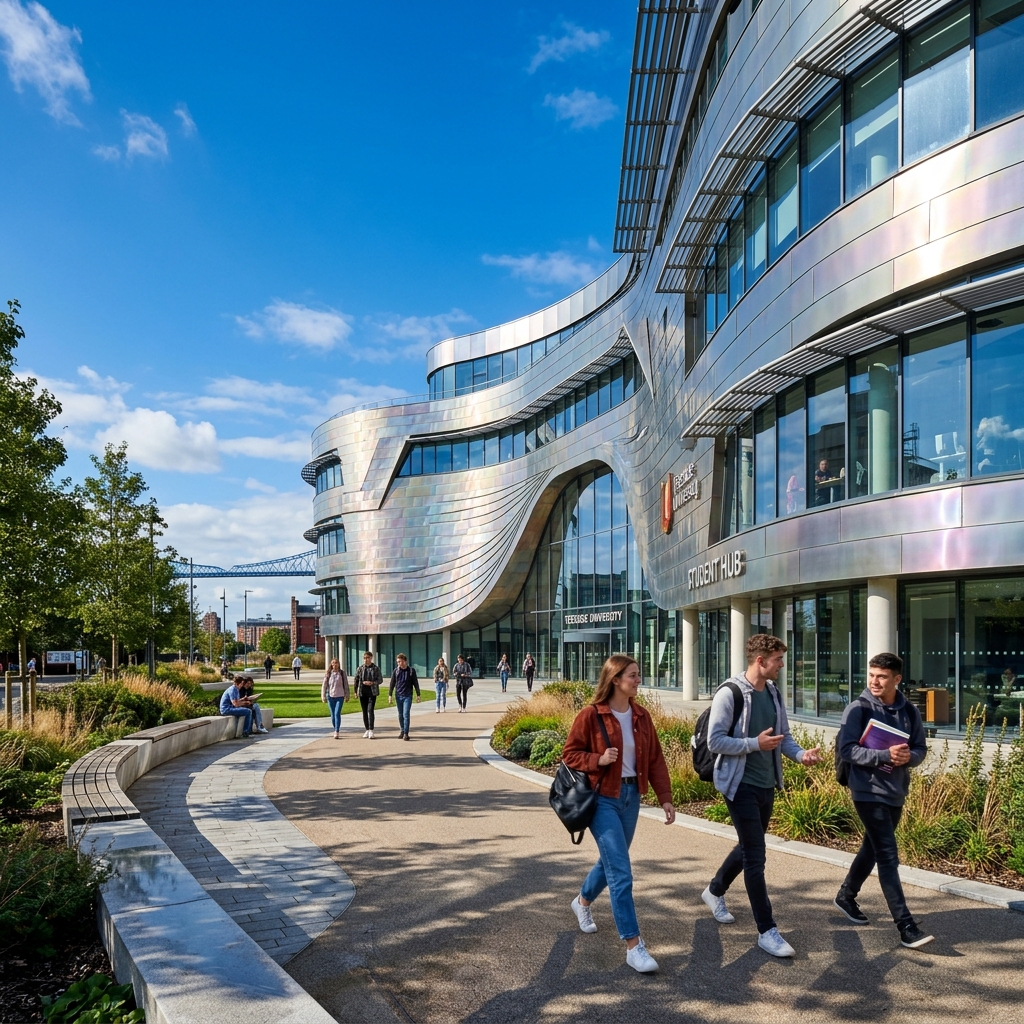
BA Games Art
About this course
Games art is the visual and creative discipline that brings game worlds to life. While games design determines how a game works and feels, games art determines how it looks, from the environments players move through and the characters they meet to the objects, textures, lighting, and visual effects that make the experience believable and immersive. It is a discipline that combines artistic skill with a deep understanding of the technical constraints and workflows of real-time graphics, requiring practitioners who can work to professional standards within games engine pipelines. At Teesside University this three-year, full-time programme teaches you the research, planning, and authoring of environment asset content for games engine integration. You will adopt industry techniques including architecture research, real-time terrain creation, modelling and texturing for environment assets, visual effects, and lighting for real-time content, developing both the creative abilities and the technical knowledge that studio roles require. A sandwich year is built into the programme, and work placement opportunities are available, giving you professional experience in games studios or related creative technology environments before you graduate. Teesside has a strong track record in games education and close connections to the games industry. Graduates of games art go on to careers as environment artists, character artists, concept artists, texture artists, lighting artists, and technical artists in games studios of all sizes, from independent developers to major international publishers. The technical skills developed on the programme are also valued in adjacent fields such as visual effects for film and television, architectural visualisation, virtual reality, and interactive experiences. The sandwich placement is a significant advantage in securing employment in what is a competitive but large and growing industry. Further study at Masters level in games art, digital art, or visual effects is an option for those who want to develop a specialist direction or build towards a more senior creative role.
Syllabus & Modules
Typical curriculumStudent Satisfaction
National Student Survey - 20 respondents (63% response rate)
What comes next? 🎓
Choosing the right university starts with choosing the right school. Explore transparent, data-driven school profiles powered by official DfE statistics.
Explore Schools on WhatSchool.ai →