MA Computing Science/Theatre Studies
About this course
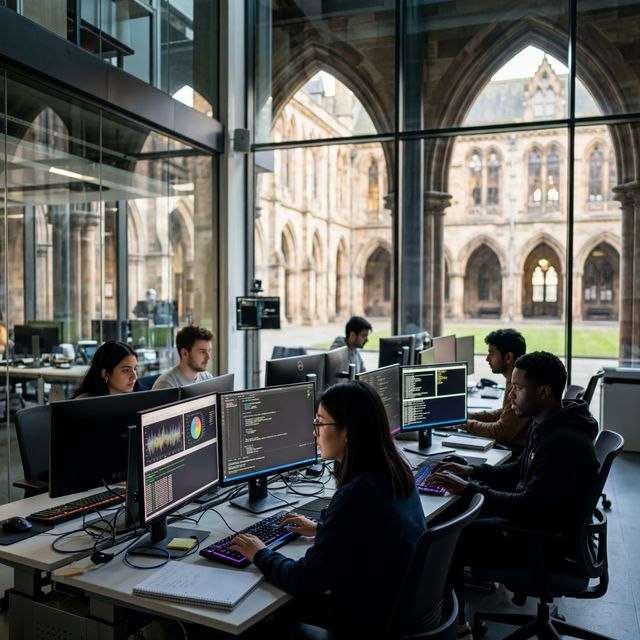
Computing science and theatre studies is an unusually rich combination that speaks to two of the most distinct ways human beings make sense of the world: through computation and through performance. Computing science is concerned with algorithms, systems, software, and the formal foundations of information processing, while theatre studies examines the making, history, and theory of performance across cultures and periods. The pairing might seem surprising, but it reflects the growing intersection of digital technology and live performance, as well as the complementary thinking styles that each discipline develops. At the University of Glasgow, this four-year programme develops your skills in both areas independently and in dialogue. In computing science you will engage with programming, software engineering, human-computer interaction, artificial intelligence, and the theoretical underpinnings of computation. In theatre studies you will explore performance history and theory, make new work, and examine how theatre has served as a space for cultural reflection and social commentary. The programme includes a year abroad, giving you the chance to study in another intellectual and cultural context and to develop an international perspective on both disciplines. Graduates with this combination bring unusual versatility to the job market. Computing skills open roles in software development, user experience design, and technology across every sector. Theatre knowledge creates opportunities in arts administration, cultural programming, community theatre, education, and the creative industries. The intersection of the two, in areas such as interactive performance, digital storytelling, immersive experience design, game narrative, and arts technology, is a genuinely emerging field where graduates with dual fluency have a distinctive advantage. Postgraduate study in either discipline, or in an interdisciplinary programme connecting them, is a natural next step for those who wish to specialise.
Syllabus & Modules
Typical curriculumStudent Satisfaction
National Student Survey - 140 respondents (68% response rate)
Similarly Ranked Alternatives
What comes next? 🎓
Choosing the right university starts with choosing the right school. Explore transparent, data-driven school profiles powered by official DfE statistics.
Explore Schools on WhatSchool.ai →