High Drop-out Rate Alert
40% of students drop out or transfer from this specific course. Consider asking why on an open day.
BA Interior Design
About this course
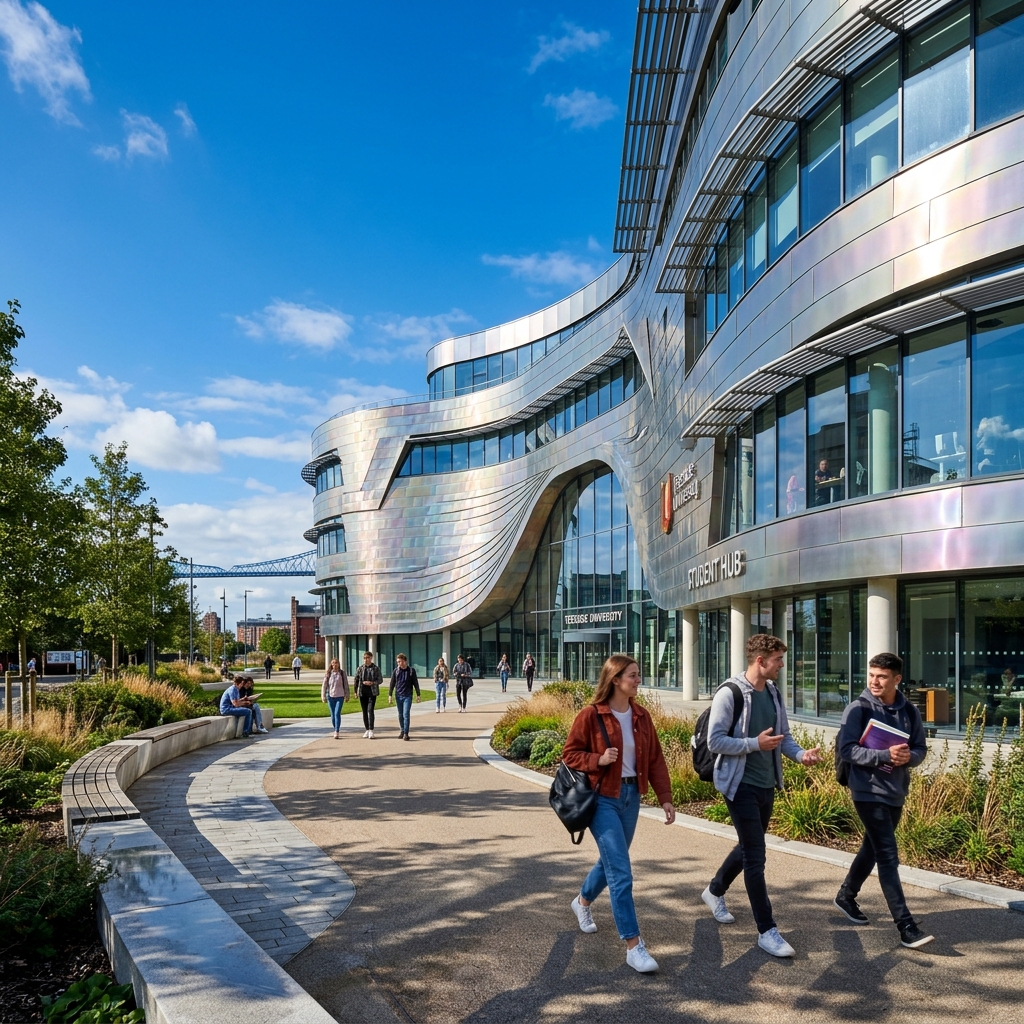
Interior design is the discipline of creating interior environments that are visually compelling, functionally effective, and responsive to the needs and experiences of the people who inhabit them. Interior designers work across residential, commercial, hospitality, retail, and public spaces, making decisions about spatial layout, materials, lighting, colour, furniture, and the way elements work together to produce an atmosphere and a user experience. The field sits between art and practice, requiring both creative vision and the technical knowledge to translate ideas into buildable, safe, and regulation-compliant designs. At Teesside University, this three-year full-time programme develops your creative and technical capabilities in interior design through a studio-centred approach. You will work on design projects that develop your spatial thinking, material knowledge, and ability to produce professional-quality visual communication including drawings, renders, and models. Collaboration is built into the programme: you will work with fellow students on shared projects, developing the team-working, communication, project management, and negotiation skills that are central to professional design practice, where designers regularly work in teams and with clients, contractors, and other specialists. The programme includes a sandwich year and work placement opportunities, giving you significant industry experience before you graduate. This professional exposure is invaluable in a field where portfolio quality and practical experience are essential to entering employment. You will graduate with a strong portfolio of design work and the professional skills needed to contribute immediately in a studio or client-facing role. Graduates of interior design go on to work in design studios, property development, hospitality design, retail environments, event and exhibition design, and property staging. Some move into set design, product design, or spatial branding. Continuing professional development and postgraduate study are options for those seeking to specialise or take on leadership roles within the design industry.
Syllabus & Modules
Typical curriculumStudent Satisfaction
National Student Survey - 15 respondents (83% response rate)
Similarly Ranked Alternatives

What comes next? 🎓
Choosing the right university starts with choosing the right school. Explore transparent, data-driven school profiles powered by official DfE statistics.
Explore Schools on WhatSchool.ai →