BSc Physiotherapy
About this course
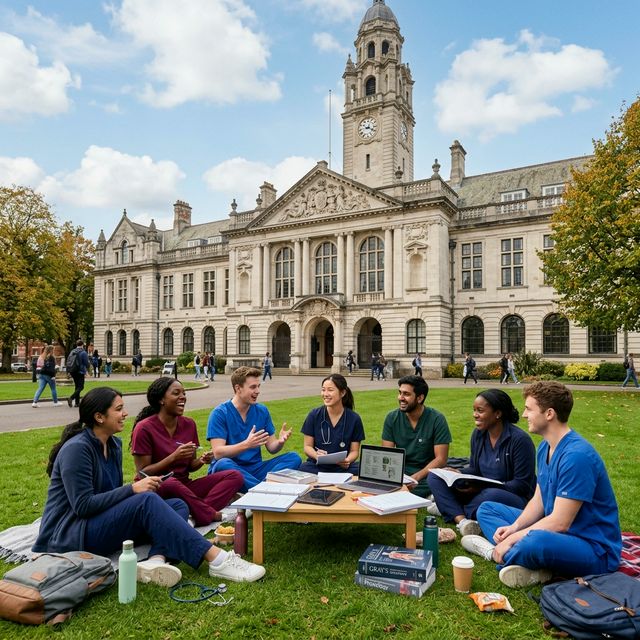
Physiotherapy is a health profession concerned with restoring and maintaining movement and physical function across the full span of human life, from helping premature infants develop motor skills to supporting older adults in recovering from strokes or managing the effects of chronic disease. Physiotherapists work with people whose movement is compromised by injury, illness, surgery, or the ageing process, using a combination of manual therapy, exercise prescription, education, and rehabilitation planning to help their patients live more fully and independently. It is a science-based profession that is also deeply human in its practice, requiring both clinical knowledge and the ability to build therapeutic relationships with people who are often vulnerable or in pain. At Cardiff University, this three-year full-time programme leads to a degree that is approved by the Health and Care Professions Council and the Chartered Society of Physiotherapy, which means that on graduation you are eligible to register and practise as a physiotherapist in the UK. The programme combines academic study with a substantial volume of clinical placement hours, giving you the experience of working with real patients in NHS and other healthcare settings throughout the degree rather than waiting until the end. You will study anatomy, physiology, biomechanics, pathology, and the specific physiotherapy approaches used in musculoskeletal, neurological, cardiorespiratory, and paediatric and elderly care settings. The degree develops clinical reasoning, which is the ability to assess a patient's situation, consider the available evidence, and make informed decisions about the most appropriate treatment. Alongside this, you will develop communication skills, reflective practice, and the professional attitudes and ethical awareness that healthcare requires. Physiotherapy graduates register with the HCPC and work across the NHS, private clinics, sports organisations, care homes, schools, and the armed forces. Specialisation in areas such as sports physiotherapy, neurological rehabilitation, women's health, or paediatrics is possible through postgraduate training. Academic and clinical research careers are open to those who pursue masters or doctoral study, and experienced physiotherapists can progress into consultancy, leadership, and education roles within the profession.
Syllabus & Modules
Typical curriculumStudent Satisfaction
National Student Survey - 80 respondents (85% response rate)
Similarly Ranked Alternatives
What comes next? 🎓
Choosing the right university starts with choosing the right school. Explore transparent, data-driven school profiles powered by official DfE statistics.
Explore Schools on WhatSchool.ai →