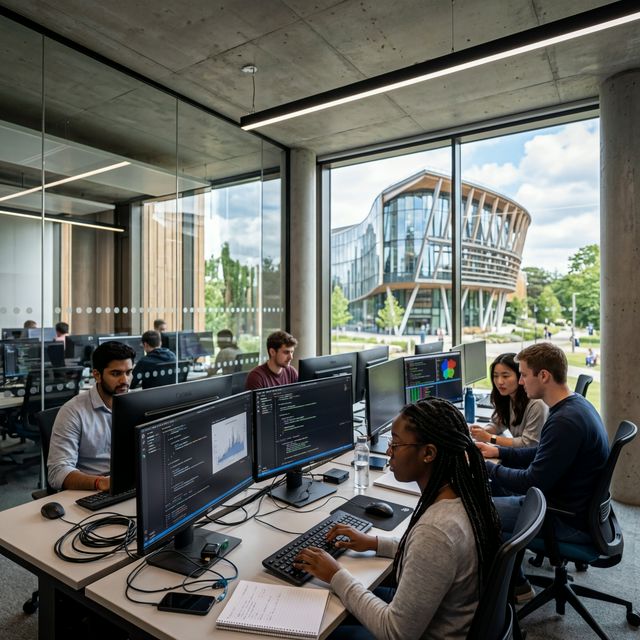
BSc Software Engineering
About this course
Software engineering is the disciplined application of engineering principles to the building, testing and maintenance of software systems, asking not just how to write code but how to design systems that are correct, maintainable, scalable and fit for purpose over time. The field combines computer science theory with project management, testing methodology and the communication skills needed to work effectively in teams and to understand the needs of users and clients. In a world where software is embedded in everything from hospital equipment to financial markets, the ability to engineer software reliably is one of the most important technical skills there is. At Southampton Solent University this three-year, full-time BCS-accredited programme, which also offers a foundation year for those who need additional preparation, develops your skills in software design, development and maintenance, preparing you to create innovative technology solutions and enhance user experiences. You will study programming, software architecture, user experience, testing and quality assurance, development methodologies, database systems and professional practice, building both technical capability and the professional skills that software engineering roles demand. The programme includes a sandwich year and a work placement, giving you direct professional experience in a software development environment before graduation. BCS accreditation means the degree is recognised against professional computing standards. Software engineering graduates are among the most sought-after in the technology labour market. Careers include software developer, front-end and back-end engineer, full-stack developer, mobile app developer, DevOps engineer, test engineer, software architect and technical team lead across technology companies, financial services, healthcare, retail, defence, the public sector and digital agencies. The professional recognition that BCS accreditation provides is a useful addition to the technical skills the degree develops. Many graduates also continue to postgraduate study in computer science, data science, cybersecurity or artificial intelligence.
Syllabus & Modules
Typical curriculumStudent Satisfaction
National Student Survey - 25 respondents (84% response rate)
Similarly Ranked Alternatives
What comes next? 🎓
Choosing the right university starts with choosing the right school. Explore transparent, data-driven school profiles powered by official DfE statistics.
Explore Schools on WhatSchool.ai →